Why society is becoming more individualistic and how to rebuild connections?
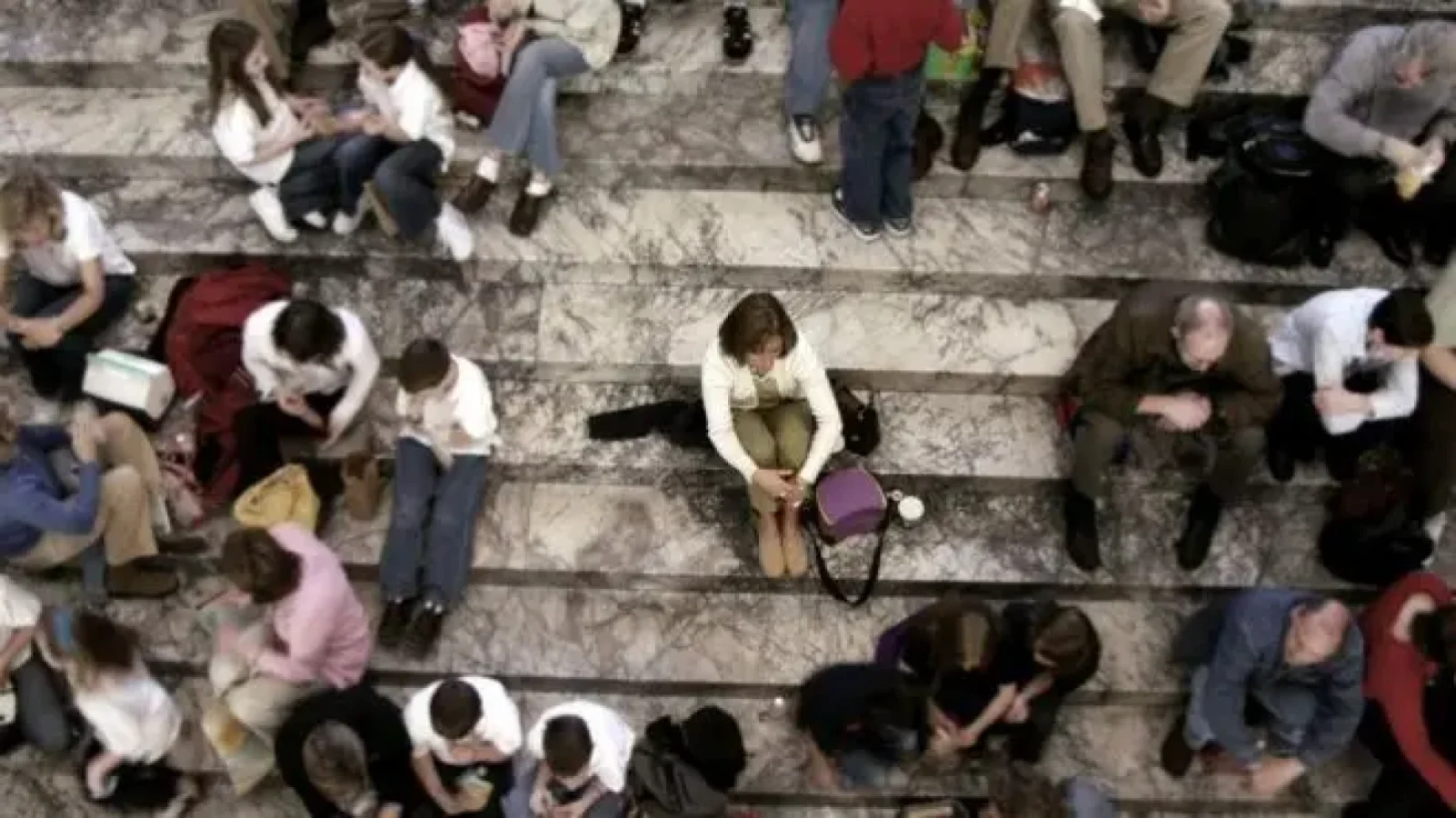
For several years now, one observation has become clear: our society is becoming increasingly individualistic. Social isolation, modern loneliness, and withdrawal into oneself are intensifying, especially in large cities and among young professionals, where local connections are becoming weaker.
But why is our society becoming more individualistic? Is this an inevitable evolution driven by modern lifestyles? And above all, how can we rebuild social connections without giving up the independence we all seek?
In this article, discover the root causes of growing individualism, its concrete impact on daily life, and practical solutions to overcome loneliness — especially through housing in exchange for services, a human and accessible alternative.
Why is our society becoming more and more individualistic?
Individualism did not appear overnight. It is part of a gradual transformation of our society and the way we live.
Several factors explain this evolution:
- Urbanization: living in cities often promotes anonymity and reduces spontaneous interactions between neighbors
- Mobility: studies, work, relocations… life paths are less stable, making it harder to build lasting relationships
- Changing family structures: more and more people live alone or far from their relatives
- Digitalization: online interactions sometimes replace real-life connections, weakening human relationships
As a direct consequence, traditional social bonds are weakening, giving way to more individual-centered lifestyles that are often perceived as freer — but also more isolating.
Individualism and loneliness: freedom with real limits
Individualism offers several benefits:
- Greater autonomy in personal choices
- More freedom in lifestyle and daily organization
- Stronger personal identity and self-expression
However, this independence also comes with significant drawbacks:
- Increasing social isolation
- Growing feelings of loneliness
- Difficulties in building authentic and long-term relationships
- A decline in everyday solidarity and mutual support
Today, many people are asking themselves the same question: how can you live alone without feeling isolated?
Housing: a key driver of social isolation
Housing plays a central role in this transformation.
With rising rents and a strong desire for independence, living alone has become the norm, especially among young professionals. Yet, this situation often reinforces loneliness.
In contrast, shared living models — such as flatsharing, family living, or intergenerational support — have long helped create meaningful social connections.
Today, these models are making a comeback because they address a real need: living without being alone.
More and more people are now looking for alternatives to living alone while maintaining their independence.
What solutions exist to overcome individualism?
Faced with this growing trend, new ways of living are emerging to balance independence and human connection.
Among them, housing in exchange for services stands out as a particularly relevant solution.
The principle is simple:
- A host provides accommodation
- A guest offers services such as presence, support, or daily help
To better understand how it works, discover housing in exchange for services.
This model makes it possible to:
- Reduce loneliness on a daily basis
- Build meaningful and lasting human relationships
- Significantly reduce housing costs
- Encourage intergenerational solidarity
For example, a student can live with an older person in exchange for a few hours of presence or assistance. This is a concrete way to access affordable housing while rebuilding social connections.
Rebuilding connections without giving up independence
Contrary to common beliefs, living with someone does not mean losing your freedom. Solutions such as intergenerational flatsharing allow people to find the right balance between autonomy and shared living.
- An older person benefits from presence and support
- A young professional gains access to affordable housing
- A relationship based on trust develops naturally
To ensure a safe and positive experience, it is essential to follow best practices. Check the safety guide for more information.
Conclusion: living alone without being isolated is possible
Individualism reflects a transformation of society, but also highlights an unmet need: the need for connection.
Today, practical solutions exist to address this issue without giving up independence. Housing in exchange for services is one of them.
Thousands of people have already chosen this lifestyle to overcome loneliness and live differently.
Looking for a place to stay or want to host someone? Take action now:
Sometimes, simply not living alone can completely transform your daily life.