Shared living in the countryside: a solution to help senior farmers and find affordable housing
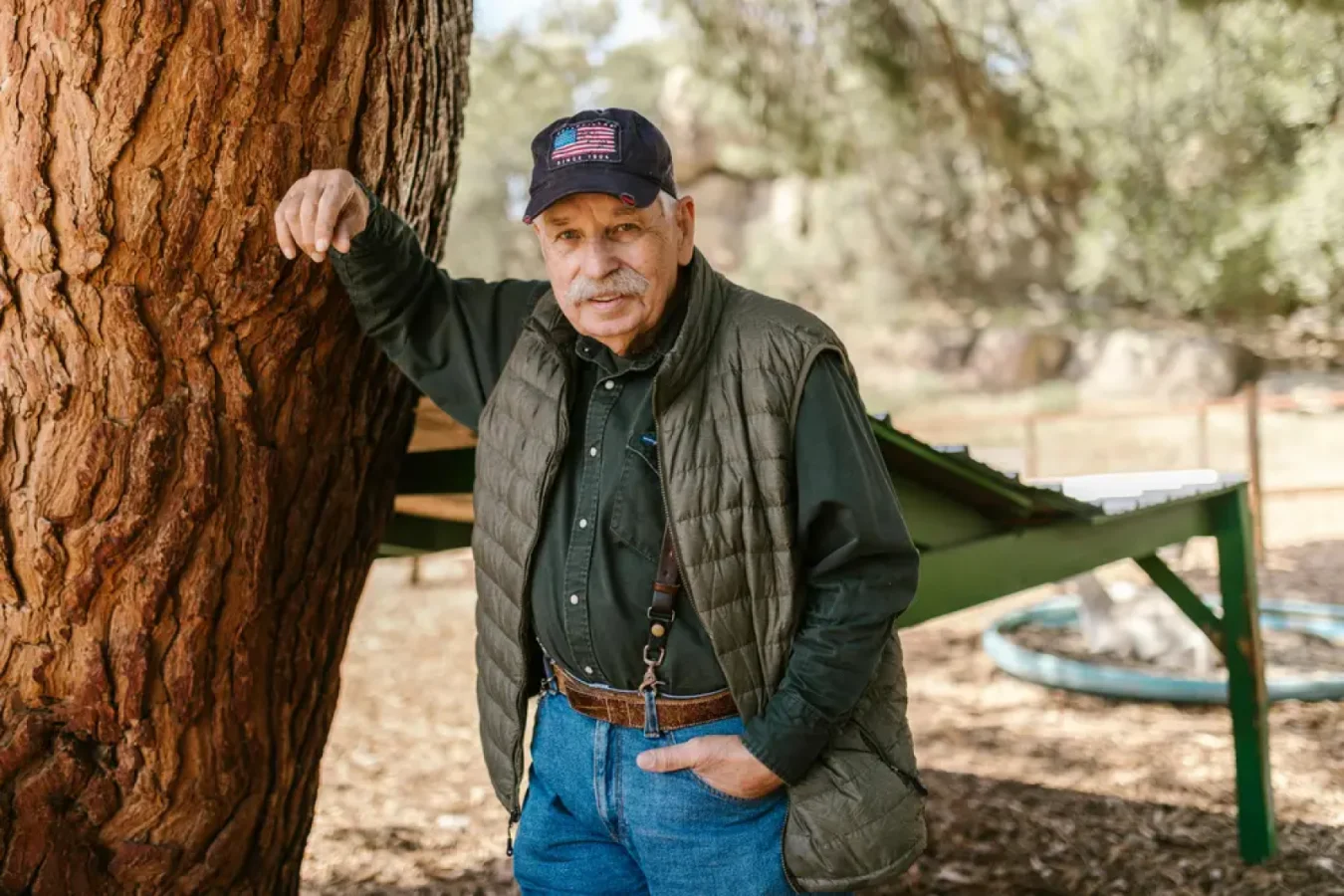
Today, rural areas are undergoing major changes. Many senior farmers, often isolated after a lifetime of work, now face new challenges: loneliness, reduced independence, and the need for daily support.
At the same time, students, young professionals and mobile workers are looking for affordable housing in the countryside that is both accessible and meaningful.
The solution? Housing in exchange for services, a form of intergenerational living that creates human connections while meeting practical needs on both sides.
Reducing isolation in rural areas
In rural environments, an ageing population often leads to increasing isolation:
- Distance from family
- Limited access to local services
- Loss of independence
The presence of a younger housemate helps maintain regular social interaction, encourages intergenerational exchange and, most importantly, reduces loneliness.
Beyond simple shared housing, it creates a genuine human relationship built on everyday life.
Daily support without relying on costly professional services
The concept of housing in exchange for services is based on a balanced exchange:
- The host provides a room or accommodation
- The guest offers help with daily tasks
Learn more about how it works: housing in exchange for services.
In a farming context, this may include:
- Helping with the vegetable garden
- Garden and outdoor maintenance
- Occasional animal care
- Running errands or providing assistance
- Daily presence and companionship
This model avoids the need for expensive services while promoting natural and human mutual support.
Affordable housing for young people
For young people, living in the countryside through this model offers many benefits:
- Significantly reducing housing costs
- Enjoying a calm and natural environment
- Building connections with local residents
- Experiencing a more authentic lifestyle
Contrary to common beliefs, rural living does not necessarily mean isolation. Many countryside areas remain close to cities while offering a better quality of life.
A safe and structured solution with ToitChezMoi
The ToitChezMoi platform facilitates these connections in a secure and structured environment, ensuring a smooth experience.
It offers:
- Verified profiles
- A clear framework to define expectations
- Structured matching
- A code based on respect and trust
To learn more, visit the safety guide.
Agreements can also be formalised to ensure a secure collaboration: view contracts.
Building a new form of rural solidarity
Beyond individual benefits, this type of shared living helps revitalise rural areas:
- Creating intergenerational connections
- Making better use of under-occupied homes
- Allowing seniors to remain at home longer
It brings life back to farms and isolated homes while encouraging a more human and supportive way of living.
To explore further, discover intergenerational flatsharing.
Senior farmers regain a more vibrant daily life, while young people access a meaningful and affordable housing solution.
How to get started
Whether you are a farmer or looking for accommodation, the process is simple:
- Create your profile
- Define your needs or availability
- Connect with compatible profiles
Offer accommodation
Find accommodation
Conclusion
Intergenerational living through housing in exchange for services provides a practical solution to the challenges of rural ageing.
It is a human, accessible and secure approach that allows everyone to find their place while rebuilding connections within rural communities.