Support at home through housing in exchange for services
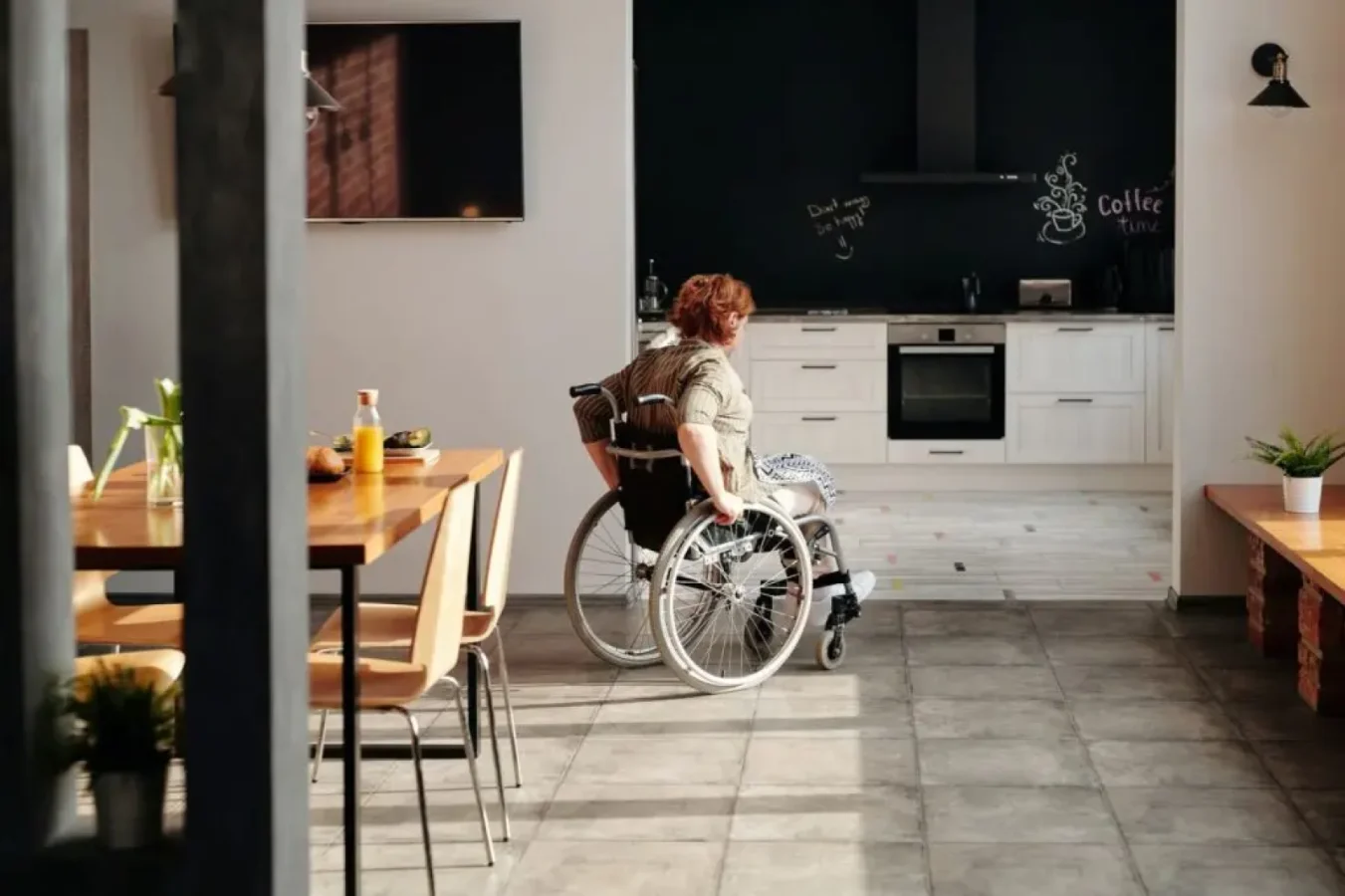
Disability in the UK: a growing reality
In the UK, around 16.8 million people live with a disability, representing approximately 25% of the population. :contentReference[oaicite:0]{index=0}
Disabilities can take many forms:
- Physical disabilities
- Sensory disabilities (vision, hearing)
- Mental health conditions
- Cognitive impairments
- Chronic or long-term illnesses
Disability becomes more common with age: nearly 45% of people above retirement age are affected. :contentReference[oaicite:1]{index=1}
Many disabled individuals live alone, which can increase isolation and daily challenges.
Home care and disability: major challenges
Supporting people with disabilities at home is essential to maintain independence and quality of life.
However, traditional care systems face significant limitations:
- High cost of professional care
- Shortage of caregivers
- Growing demand due to ageing population
Across Europe, up to 1 in 4 adults lives with some form of disability, highlighting the scale of the issue. :contentReference[oaicite:2]{index=2}
A human alternative: housing in exchange for services
In this context, housing in exchange for services is emerging as a complementary solution.
The concept is simple: a host offers accommodation in exchange for presence or help with daily tasks.
👉 Learn more: how it works .
- Reduces isolation
- Provides daily support
- Improves independence
- Lowers care-related costs
👉 This approach is also linked to intergenerational living .
A balanced and safe approach
This model is based on mutual support and trust.
⚠️ The level of support must remain reasonable and should not replace formal employment.
👉 To ensure safety:
Conclusion
Disability presents significant challenges in terms of housing and daily support.
Innovative solutions such as housing in exchange for services provide a flexible, affordable, and human-centered alternative.