Home exchange: how it works and its alternatives
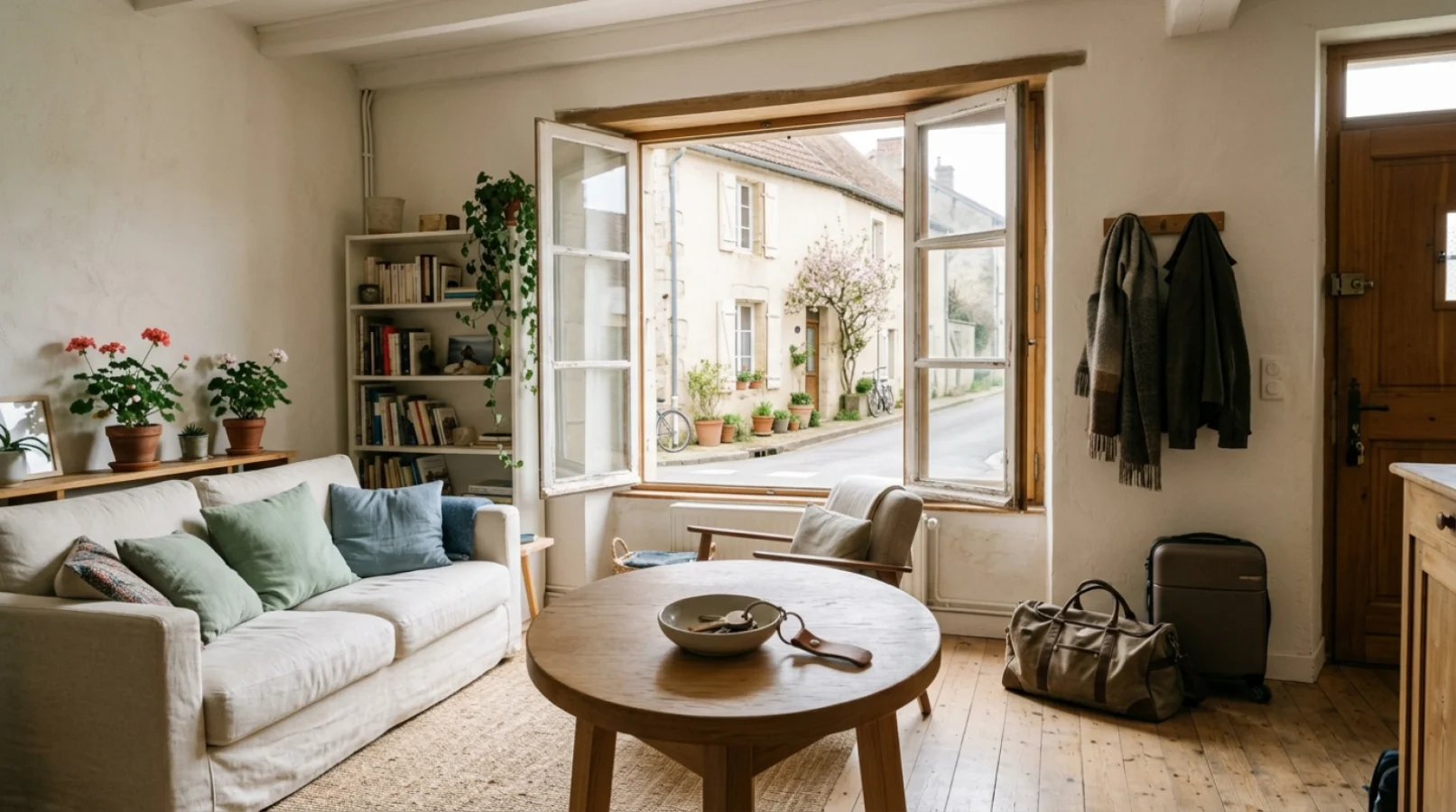
Home exchange is increasingly appealing to travelers seeking authentic and economical vacations. The principle is simple: two households mutually lend each other their homes, rent-free, for the duration of a stay. But how does a home exchange really work, what are its advantages, its limits, and what to do when looking for a more sustainable housing solution rather than just a vacation break? This guide enlightens you and presents a complementary alternative: housing in exchange for services.
What is home exchange?
Home exchange, sometimes called "housing exchange" or home exchange, consists of living in another person's home while they occupy yours, or while they are away. No money is paid for the accommodation: each person makes their home available, and the counterpart is the other's home.
There are generally two main types:
Simultaneous exchange: both households leave at the same time and occupy each other's homes on the same dates.
Deferred exchange: you first host the person at your place, then enjoy their home later (or vice versa), often through a points system on specialized platforms.
This practice falls under collaborative consumption: sharing and trust are prioritized over spending. It is mainly aimed at vacationers, families, or retirees who want to travel differently.
How does a home exchange work?
Organizing a home exchange requires some preparation. Here are the usual steps:
Create an honest listing: real photos, description of the home, amenities, neighborhood, availability period.
Find an exchange partner whose destination and dates match yours.
Communicate beforehand: introduce yourselves, ask questions, set rules (pets, cleaning, neighbors, utilities).
Formalize the agreement: a written agreement, even simple, specifying dates, responsibilities, and key handover conditions.
Prepare the home: tidy up, free up closets, leave a house manual.
Success almost always depends on the quality of prior communication and clarity of the framework. The more expectations are set in advance, the more smoothly the stay goes for both parties.
Advantages and limits of home exchange
Home exchange offers real benefits, but also some constraints to know before starting.
Advantages
Accommodation without rent, which greatly reduces vacation budget.
The comfort of a real home (kitchen, space, neighborhood life) rather than a hotel room.
A more human and local experience, based on trust between individuals.
Limits
The need to match destinations and dates, which can be restrictive.
Opening your home to strangers, which requires a climate of trust.
A solution designed for the short term (vacations), not for long-term housing.
This last point is precisely where many people are mistaken: home exchange meets a temporary travel need, not a year-round housing search. If your goal is to sustainably reduce your housing costs, another formula deserves your attention.
Home exchange or housing in exchange for services: what’s the difference?
Home exchange and housing in exchange for services share the same philosophy of mutual aid between individuals but meet different needs.
Home exchange is reciprocal and temporary: each lends their home for the vacation period.
Housing in exchange for services is sustainable: a host makes a room or home available, free or at reduced rent, and the cohabitant provides clearly defined daily services in return (cleaning, shopping, childcare, companionship, gardening, IT help…).
On ToitChezMoi, a French platform operated by CADENIA since 2017, this model is based on a reasonable volume of services: up to 15 hours per week (often 10 to 15 hours depending on the situation). Beyond that, or when the value of services exceeds that of the accommodation, an employment framework may become necessary. Registration is free, and Premium options remain optional to gain visibility and contacts.
Practically, if you want to travel for one or two weeks, home exchange is suitable. If you want to stay several months while reducing your budget and providing services, you can look for housing in exchange for services or, conversely, offer a room in exchange for services.
Secure your exchange between individuals well
Whether you choose home exchange or housing in exchange for services, the same cautionary habits apply:
Communicate enough before committing and trust your instincts.
Never pay money to reserve accommodation before seeing it, meeting the person, and verifying the place.
Put in writing what is agreed: dates, responsibilities, and, for housing in exchange for services, the nature and volume of services.
For long-term cohabitation, a written agreement (often considered as a loan for use, or commodatum) secures both parties.
To go further, consult the ToitChezMoi safety guide, which details best practices before, during, and after the connection.
Frequently asked questions about home exchange
Is home exchange really free?
Yes for the accommodation itself: no rent is paid, the counterpart being the reciprocal lending of homes. You remain responsible for transport, energy, or cleaning costs depending on what has been agreed.
What is the difference with flat-sharing or housing in exchange for services?
Classic flat-sharing is based on shared rent. Home exchange is based on temporary reciprocal lending. Housing in exchange for services replaces rent with services rendered, in a sustainable and regulated logic.
How to avoid scams?
Beware of any request for advance payment, favor detailed exchanges, and never book blindly. The golden rule remains to pay nothing before visiting and verifying the accommodation.
In summary
Home exchange is a great solution to travel without increasing your budget, provided you accept its reciprocity and scheduling constraints. If your need goes beyond vacations and concerns your everyday housing, housing in exchange for services offers a sustainable and human alternative. To discover how it works, browse our How it works page and create your profile for free on ToitChezMoi to find housing or host a cohabitant.