Permaculture & housing through service exchange
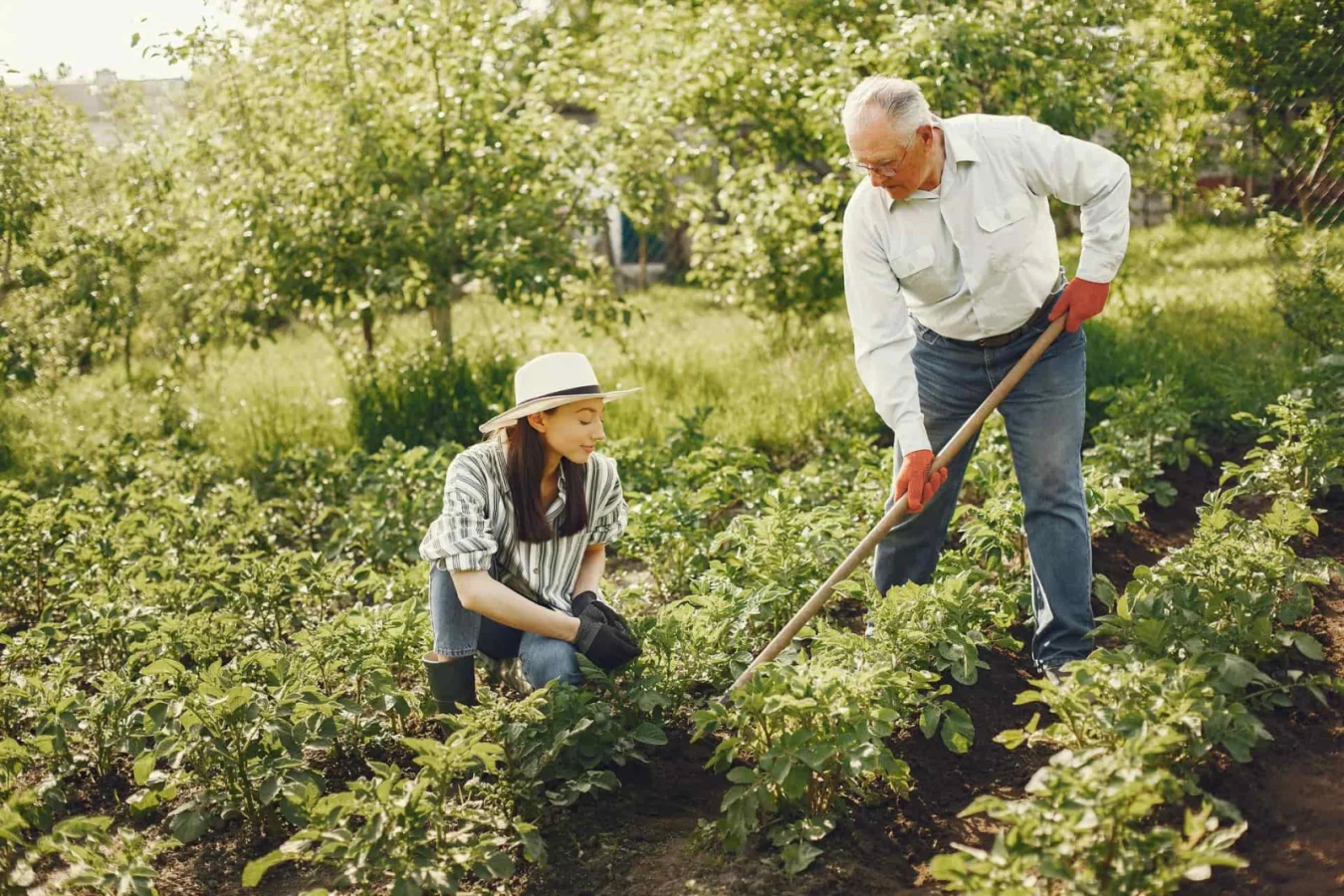
What if your passion for gardening could help you live for free?
Permaculture, far more than an eco-friendly growing method, can now become a real opportunity through housing in exchange for services. More and more homeowners are looking for help to maintain their gardens in return for accommodation.
This accessible, human and cost-effective solution allows you to make the most of your skills while significantly reducing your housing expenses.
Permaculture: a valuable and in-demand skill
Permaculture is inspired by natural ecosystems. It aims to create sustainable, self-sufficient environments that respect biodiversity while remaining productive.
Unlike traditional agriculture, it relies on simple principles: observe, understand and work with nature rather than against it. It includes practices such as:
- Rainwater harvesting
- Using natural resources like sun and wind
- Mulching to protect and enrich the soil
- Crop diversity to strengthen ecosystems
This approach offers many benefits:
- Preservation of natural resources
- Less physical effort thanks to self-sustaining systems
- Respect for biodiversity
- Healthy, chemical-free production
However, permaculture also requires observation and learning. Understanding your environment and adapting to natural conditions is essential.
This expertise is increasingly valuable in the context of housing in exchange for services. Learn more about how it works: housing in exchange for services.
A win-win exchange: gardening for accommodation
The concept of housing in exchange for services connects real needs with practical skills. Permaculture fits perfectly into this model.
Many hosts have gardens or outdoor spaces but:
- Lack time to maintain them
- Don’t have ecological gardening knowledge
- But they want to make better use of their space
On the other side, guests may already have gardening skills or want to develop them.
The exchange is simple:
- The guest maintains and improves the garden
- The host provides accommodation
This goes beyond a simple exchange. It creates:
- Knowledge sharing
- Human connection and trust
- A more sustainable lifestyle
In some cases, the garden becomes a shared project, benefiting both sides.
Want to offer your skills? Become a guest.
The benefits of permaculture in this model
Integrating permaculture into a service exchange housing model offers clear advantages.
For guests:
- Free or low-cost accommodation
- Valuable hands-on experience
- A peaceful, nature-based lifestyle
For hosts:
- A well-maintained garden
- Eco-friendly expertise
- Time saved in daily life
- A reassuring presence at home
It also promotes:
- Social connection
- Shared knowledge
- Sustainable living
Interested in hosting? Become a host.
Tips to get started
Getting started with permaculture requires preparation:
- Observe your environment: sunlight, soil, seasons
- Assess soil quality: richer soil leads to better results
- Use natural methods: avoid chemicals
- Manage water wisely: mulching helps retain moisture
- Anticipate pests: work with natural balances
A practical way to live differently
Housing in exchange for services turns a passion like permaculture into a real housing solution.
Whether you are a gardening enthusiast or a homeowner, this model creates a win-win situation.
Get started today: