Stay with Locals for Free: The Best Solutions for a Few Nights or Several Months
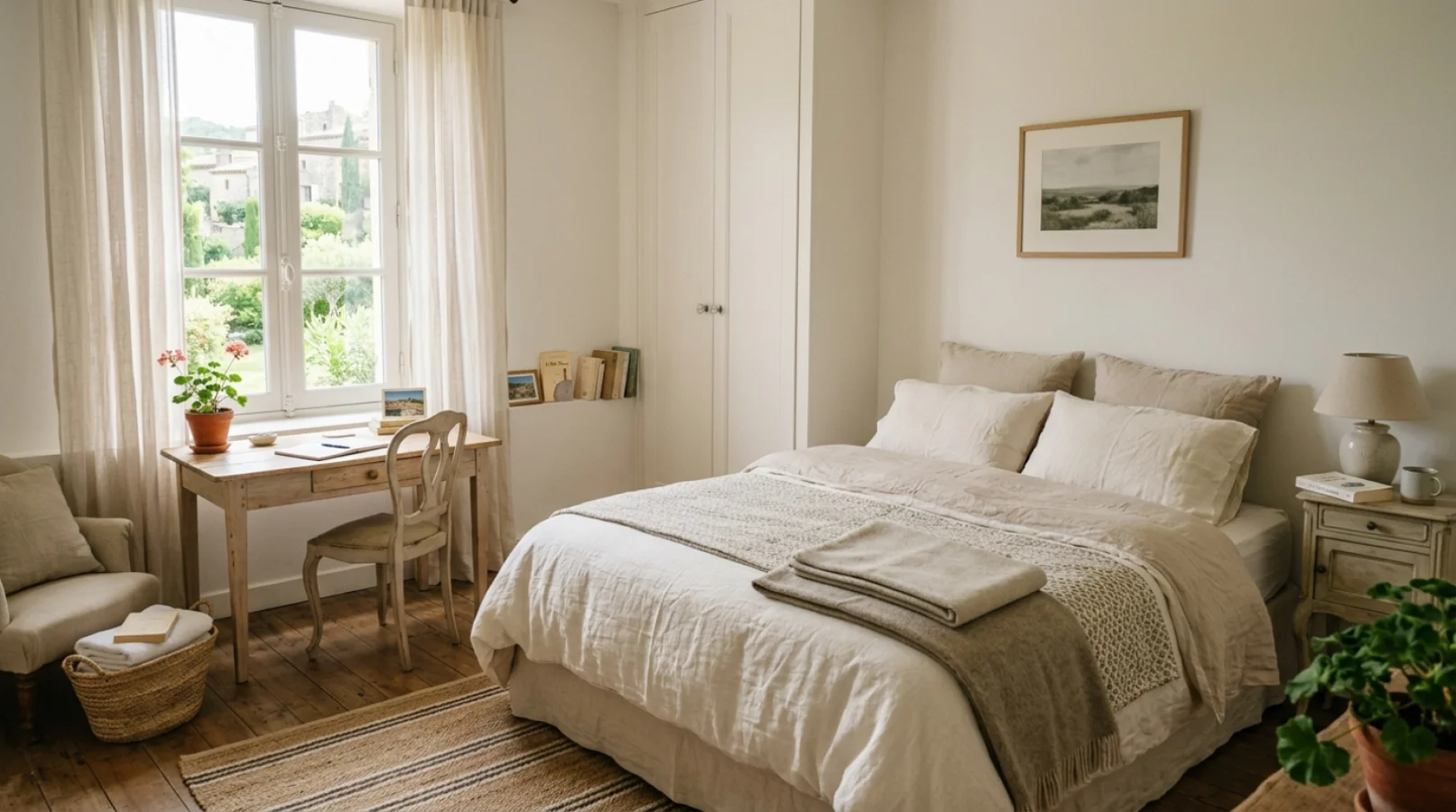
Searching for "stay with locals for free" can mean very different things depending on your situation. Some people are simply looking for a sofa or a spare room for a few nights while travelling. Others want a genuine rent-free accommodation solution for several weeks, several months or even an entire year.
The best option depends largely on how long you plan to stay. Hospitality networks, Couchsurfing, house sitting, intergenerational flatsharing and accommodation in exchange for help can all reduce—or even eliminate—your accommodation costs. The key is choosing the solution that matches your needs, understanding the expectations involved and taking the right precautions before committing.
In this guide, you'll discover the different ways to stay with locals for free, from short-term hospitality during a trip to long-term accommodation in exchange for helping your host.
What Does "Staying with Locals for Free" Really Mean?
The phrase "stay with locals for free" generally covers two very different situations.
- For one night or a short trip, travellers stay with local hosts during a holiday, weekend break, festival or business trip through hospitality networks such as Couchsurfing.
- For several weeks or months, people look for rent-free accommodation by offering regular help or companionship in exchange for a room.
The length of your stay is therefore the first factor to consider. A solution designed for a weekend getaway will not suit someone looking for accommodation throughout a university year, while a long-term living arrangement requires more preparation, communication and commitment.
It is also important to understand what "free" really means. For a short stay, accommodation may genuinely be offered without financial compensation. For longer periods, free accommodation is usually based on an exchange: instead of paying rent, you provide regular help, companionship, house sitting or other agreed services.
Staying with Locals for a Few Nights
Couchsurfing and Hospitality Networks
If you are travelling for a few days, Couchsurfing is one of the best-known ways to stay with locals for free. The concept is simple: local hosts welcome travellers into their homes for one or several nights, offering a sofa, a spare room or another place to sleep without charging rent.
More than simply free accommodation, Couchsurfing is built around cultural exchange and meeting new people. Staying with a local often gives travellers a more authentic experience, allowing them to discover a destination through the eyes of someone who actually lives there.
This type of accommodation is particularly suitable for:
- a weekend in another city;
- a stopover during a longer journey;
- a festival or special event;
- a short business or personal trip;
- discovering a destination through local residents.
Couchsurfing is an excellent way to reduce travel costs, but it should not be considered a long-term housing solution. Availability depends entirely on individual hosts, stays are usually limited to just a few nights, and hosts remain free to accept or decline requests.
Unlike accommodation in exchange for help, Couchsurfing is not designed for people looking for housing over several weeks or months.
Although accommodation is generally free, the spirit of Couchsurfing is based on mutual respect, hospitality and human connection. Travellers often share a meal, spend time with their host or simply enjoy meaningful conversations together rather than treating the experience as a free hotel stay.
Whatever hospitality platform you use, never send money in advance to reserve accommodation advertised as free. Requests for immediate bank transfers, refusal to answer basic questions or excessive pressure should always be considered warning signs.
Can You Really Stay with Someone for Free Without Giving Anything in Return?
For a few nights, yes. Many hosts genuinely enjoy welcoming travellers simply for the pleasure of meeting people from different backgrounds and sharing their local culture.
However, when it comes to staying for several weeks or months, completely free accommodation with absolutely no contribution is relatively uncommon. Providing long-term accommodation has a cost for the host, including utilities, maintenance, heating and the use of living space.
For this reason, longer stays are usually based on a balanced exchange. Instead of paying traditional rent, the guest contributes by providing companionship, practical help or agreed services. This is precisely the principle behind accommodation in exchange for help.
Accommodation in Exchange for Help: Stay with Locals for the Long Term
If you are looking for a genuine way to live rent-free over several months, accommodation in exchange for help is one of the most suitable options.
The principle is straightforward. A host provides a private room or living space rent-free or at a reduced cost, while the guest offers agreed services in return.
Unlike Couchsurfing, this arrangement is designed for long-term co-living. It can suit students, young professionals, people relocating for work, job seekers or anyone wishing to reduce their housing costs while building a supportive relationship with their host.
How Does Accommodation in Exchange for Help Work?
The process usually follows a few simple steps:
- Create your profile, describing your situation, availability and the type of help you can offer.
- Browse available listings according to your preferred location, duration of stay and the host's needs.
- Contact potential hosts through the platform to ask questions and ensure your expectations are compatible.
- Arrange a meeting and visit the accommodation before making a final decision.
- Agree on the arrangement in writing, clearly defining the services provided, schedules, duration of the stay and house rules.
You can learn more about the process on the How Accommodation in Exchange for Services Works page.
What Kind of Help Can You Offer?
The services depend on the host's needs, your skills and both parties' availability. They should always remain reasonable, compatible with work, studies and personal life, and be clearly agreed before moving in.
On ToitChezMoi, the maximum amount of help is limited to 15 hours per week, with most arrangements requiring between 10 and 15 hours depending on the situation.
Typical services include:
- housekeeping and everyday household tasks
- shopping and occasional meal preparation
- companionship and reassuring presence for older adults
- childcare and homework assistance
- private tutoring
- pet care
- gardening and minor DIY tasks
- administrative or computer assistance
How to Access Rent-Free Accommodation
Living rent-free rarely means receiving accommodation without any commitment. In most cases, it means replacing all or part of the rent by offering useful and regular help.
If you want to find accommodation in exchange for help, preparing your search carefully will significantly improve your chances of finding the right match.
- Clearly explain your situation and how long you wish to stay.
- Describe honestly the skills and services you can provide.
- Be transparent about your availability.
- Look for hosts whose expectations fit your schedule and lifestyle.
- Discuss every aspect of the arrangement before moving in.
Someone working full-time will naturally have different availability from a university student with a flexible timetable. Likewise, a host looking for occasional companionship will not have the same expectations as a family seeking regular childcare support.
The goal is not to promise as much help as possible simply to secure accommodation. Successful co-living arrangements are built on realistic expectations, mutual respect and a balanced exchange that benefits both the host and the guest.
Other Ways to Find Free Accommodation
Accommodation in exchange for help is not the only way to live rent-free. Depending on your situation, the length of your stay and your availability, several other options may also be worth considering.
House Sitting
House sitting involves looking after someone's home while they are away. In exchange for free accommodation, the house sitter takes care of the property by collecting the mail, watering plants, maintaining the house or looking after pets.
This solution is particularly suitable for stays ranging from a few days to several weeks. It often allows you to enjoy an entire house or apartment, but it remains temporary since it depends on the homeowner's travel schedule.
If you would like to learn more about this option, read our guide on house sitting.
Intergenerational Flatsharing
Intergenerational flatsharing usually brings together an older person with a spare room and a student or young professional looking for affordable accommodation.
In exchange for free or low-cost housing, the younger resident provides companionship, social interaction or light everyday assistance. This type of shared living helps reduce loneliness among older adults while making housing more accessible in cities where rents are high.
Although this arrangement is particularly popular between seniors and students, it is only one form of shared living. Accommodation in exchange for help can involve people of many different ages, backgrounds and lifestyles.
Shared Accommodation in Exchange for Help
Some homeowners choose to share part of their home free of charge in exchange for practical assistance. This may involve a bedroom in a family home, a self-contained living area or part of an apartment.
For hosts, it is an opportunity to make good use of an unused room while receiving valuable help in their daily lives. For guests, it offers a practical way to reduce housing expenses by contributing skills and services that match the host's needs.
"Free" Doesn't Mean Without Rules
Living with someone without paying rent is still a mutual commitment. Even when the arrangement is based on trust and goodwill, it is always advisable to define the terms of the agreement in writing.
A written agreement should clearly specify:
- the services to be provided and how often they are expected
- the number of hours agreed each week
- private and shared living spaces
- house rules and daily routines
- the duration of the arrangement
- any shared household expenses
- how either party may end the arrangement
Having everything in writing helps prevent misunderstandings. For example, it avoids situations where occasional help gradually becomes an expectation of permanent availability or where each person has a different interpretation of the agreed schedule.
Since 2017, ToitChezMoi has promoted balanced accommodation in exchange for help by encouraging clear, reasonable agreements that respect the daily lives and expectations of both hosts and guests.
Accommodation in Exchange for Help Is Not an Emergency Housing Solution
Accommodation in exchange for help is based on a carefully prepared co-living project. It involves creating a profile, communicating with potential hosts, visiting the accommodation and ensuring that both parties share compatible expectations.
For this reason, it is not suitable for someone who needs somewhere to sleep immediately or is facing an urgent housing crisis.
If you require emergency accommodation, you should contact the appropriate emergency housing services or local social support organisations available in your country or region.
How to Stay with Locals Safely
Whether you are staying with someone for one night or several months, taking a few basic precautions can greatly reduce the risks and help you enjoy a positive experience.
- Keep your initial conversations on the platform's messaging system. This creates a record of your discussions and helps protect your personal information.
- Never send money before visiting the accommodation. Any request for immediate payment to reserve supposedly free accommodation should be treated with caution.
- Visit the property before committing. Check the condition of the accommodation, the bedroom, shared spaces and the overall living environment.
- Meet the host in person. A face-to-face conversation helps you better understand their expectations and assess whether the arrangement feels comfortable for both of you.
- Ask detailed questions. Clarify exactly what services are expected, how many hours they involve and how often they will be required.
- Bring someone with you if necessary. For a first visit, you may feel more comfortable attending with a trusted friend or family member.
- Be cautious of offers that seem too good to be true. Extremely attractive listings combined with pressure to make a quick decision or refusal to arrange a viewing are important warning signs.
- Trust your instincts. If something doesn't feel right, you are never obliged to continue with the arrangement.
These recommendations are explained in greater detail in the ToitChezMoi Safety Guide.
Frequently Asked Questions
Is staying with locals for free really free?
For a few nights through hospitality networks such as Couchsurfing, accommodation can genuinely be free. For longer stays, "free" usually means rent-free or low-cost accommodation in exchange for providing regular help or companionship.
What is the difference between accommodation in exchange for help and traditional flatsharing?
In a traditional flatshare, each resident normally pays part of the rent and household bills. With accommodation in exchange for help, all or part of the rent is replaced by agreed services. The arrangement is based on mutual support rather than simply sharing housing costs.
How many hours of help are usually expected?
On ToitChezMoi, help is limited to a maximum of 15 hours per week, with most arrangements requiring between 10 and 15 hours. The exact number of hours should always be discussed and agreed before moving in.
Should I sign a written agreement?
Yes. A written agreement is strongly recommended. It should specify the duration of the stay, the agreed services, schedules, house rules and the conditions under which either party may end the arrangement. If you have questions about the legal aspects, you should seek advice from the appropriate organisations in your country.
Should I pay to reserve free accommodation?
No. You should never transfer money before visiting the accommodation, meeting the host and fully understanding the terms of the arrangement. Any request for advance payment should be treated with great caution.
Who can benefit from accommodation in exchange for help?
This type of accommodation can suit students, young professionals, people relocating for work, job seekers, people between life transitions or anyone looking to reduce their housing costs by offering useful services. The key is being able to provide help that matches the host's needs.
Is registration on ToitChezMoi free?
Yes. Creating an account and profile is completely free. Optional Premium memberships are available for users who wish to access additional contact or visibility features.
Can I find accommodation in exchange for help for an entire year?
Yes. Some listings are available for several months or even a full year. The duration depends on the host's needs, the availability of the accommodation and the agreement reached between both parties.
Summary: Which Option Is Right for You?
Staying with locals for free is entirely possible, but the best solution depends mainly on how long you need accommodation.
- For a few nights, hospitality networks such as Couchsurfing are ideal for short-term stays with local hosts.
- For several weeks, house sitting may be a good option if you are available to look after a property or pets.
- For several months, accommodation in exchange for help offers a more stable way to access rent-free housing while providing regular assistance to a host.
- For an intergenerational living experience, intergenerational flatsharing combines affordable housing, companionship and mutual support.
Whichever option you choose, always take the time to meet the other person, visit the accommodation and discuss every aspect of the arrangement before committing.
Ready to Find Rent-Free Accommodation?
If you are looking for long-term accommodation in exchange for help, you can create your free profile and browse available listings near you. Registration is free, allowing you to explore opportunities at your own pace.
Browse accommodation in exchange for help listings and start your search today.
Do you have a spare room and would like to receive practical help in return? You can also offer accommodation in exchange for services and connect with someone whose profile matches your needs.