Retired House Sitters: How to Have Your Home Looked After for Free
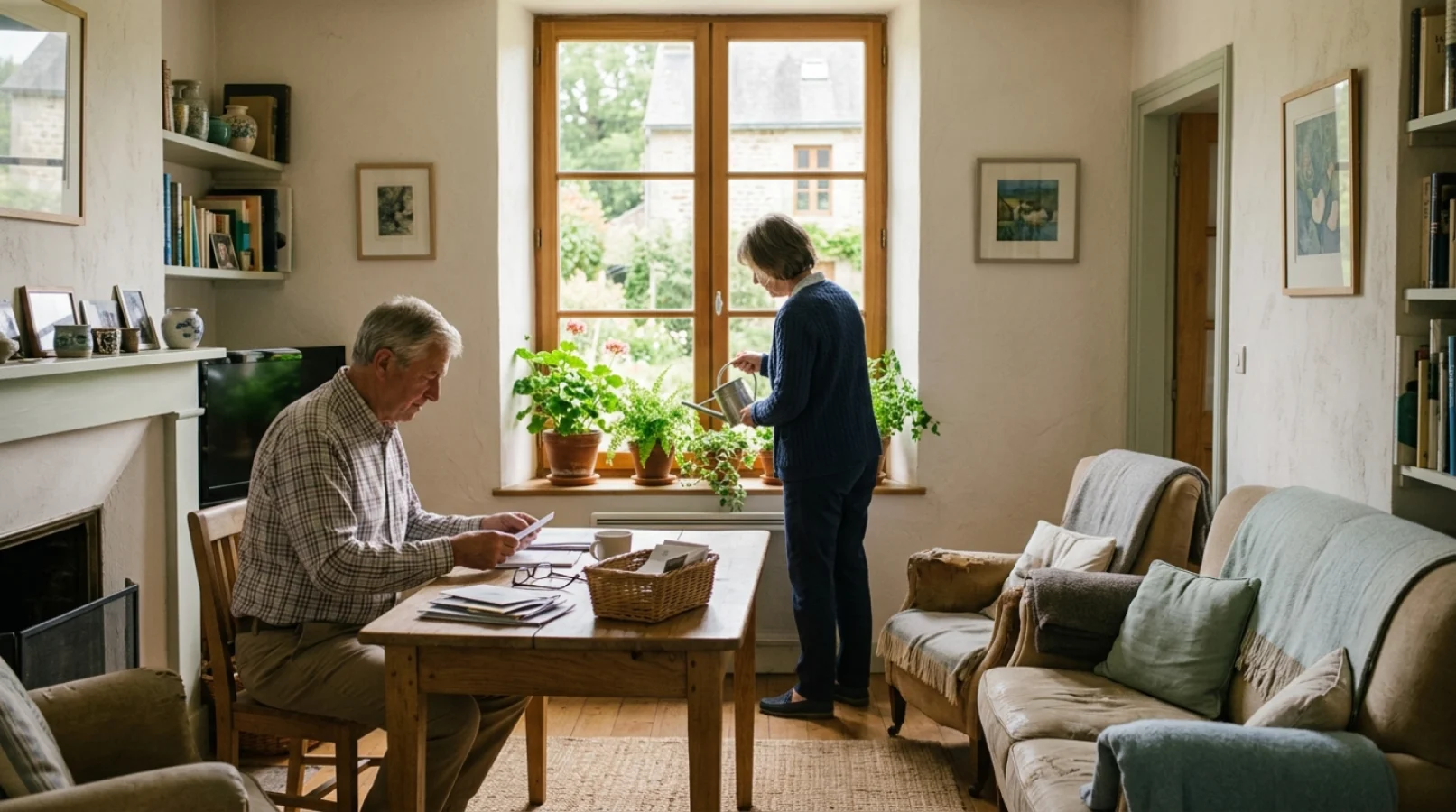
Going away for several weeks, leaving a second home empty or simply worrying about your property while you travel? Mail can build up, plants still need attention, pets need care and an obviously empty home can quickly become a source of concern. Finding a retired house sitter can be an interesting way to keep someone in your home while you are away without relying on a traditional paid house-sitting service.
The principle is based on a mutual exchange: the house sitter stays in your property and provides the agreed presence and everyday tasks, while receiving accommodation for the duration of the stay. This arrangement sits somewhere between traditional house sitting and housing in exchange for services, and works best when both sides agree on clear expectations before the stay begins.
How does house sitting with a retired person work?
The basic arrangement is straightforward. You make your house, flat or part of your home available for an agreed period, and the other person stays there while you are away.
Their role may simply involve keeping the property occupied, collecting post, watering plants, caring for pets or checking that everything remains in order.
This is generally referred to as house sitting. When accommodation is provided in return for a wider range of clearly defined tasks, the arrangement can also fit into the broader concept of housing in exchange for services.
It can be considered for holidays, extended trips, temporary work assignments, second homes or other periods when a property would otherwise remain empty.
Can someone really look after your home for free?
The word “free” needs some context.
In this type of arrangement, the homeowner may not pay the house sitter a conventional fee. Instead, the person receives accommodation in exchange for their presence and the tasks agreed beforehand.
It is therefore better understood as an exchange of accommodation for agreed help rather than unpaid work with no benefit in return.
The arrangement should remain balanced. Tasks need to be reasonable, clearly described and compatible with the house sitter's own time and personal life.
On ToitChezMoi, services are limited to a recommended maximum of 15 hours per week. That figure alone does not determine the legal status of an arrangement. If duties become extensive, highly structured, compulsory or similar to regular employment, the appropriate framework should be reviewed.
Why can retired people make particularly good house sitters?
Retired people can be especially well suited to house sitting because their schedules may be more compatible with stays lasting several days, weeks or even longer.
Several practical advantages can make retired house sitters attractive to homeowners:
- Greater availability: without daily work commitments, some retired people can provide a more regular presence in the property, including during weekdays and outside peak holiday periods.
- More flexibility with dates: they may be able to accept longer stays or less popular periods, which can be particularly useful for second homes or extended trips.
- Everyday household experience: looking after a home, watering plants, maintaining a garden, dealing with post or caring for pets may already be familiar activities.
- Interest in longer stays: some retired people enjoy spending time in a different area, discovering a new region or temporarily changing their surroundings.
- A regular presence in the property: for many homeowners, simply having someone genuinely living in the home is one of the main benefits of house sitting.
The arrangement can be attractive to the sitter too. It may provide temporary accommodation, an opportunity to explore a new part of the country, time with animals or simply a different experience.
Retirement does not automatically make someone more trustworthy than another applicant. Trust should still be based on the individual profile, communication, compatibility, a meeting beforehand and clearly agreed expectations. However, the availability and flexibility that some retired people have can make house sitting particularly well suited to their lifestyle.
What can you reasonably ask a house sitter to do?
House-sitting duties should stay clear and proportionate. The aim is not to hand over complete responsibility for running your property, but to agree on a manageable set of tasks.
These may include:
- maintaining a regular presence in the property;
- collecting post;
- occasionally receiving deliveries;
- watering plants;
- light garden care;
- feeding or walking pets;
- keeping an eye on the general condition of the property;
- contacting the homeowner promptly if a problem arises.
A home with several animals, a large garden or pets requiring multiple daily walks involves more work than simply keeping a property occupied. These details should therefore be stated clearly from the outset.
You can also read ToitChezMoi's guide to house sitting and having your home looked after.
What should you include in a house-sitting listing?
A detailed listing helps attract people whose availability and expectations genuinely match your needs.
Include information such as:
- the approximate location of the property;
- the type of accommodation and areas available to the sitter;
- your travel dates;
- the tasks you expect;
- how often those tasks need to be completed;
- any pets living in the property;
- garden or property-related requirements;
- important household rules;
- any expenses or contributions that need to be discussed.
Avoid vague descriptions such as “a bit of help around the house”. The more specific the listing, the easier it is for a prospective sitter to decide whether the arrangement suits them.
How do you find a retired house sitter you can trust?
Availability is only one part of the decision. The aim is to find someone with whom you can establish clear expectations and mutual trust.
- Create a detailed listing. Explain the property, dates, expected tasks and practical conditions.
- Review profiles carefully. Look at availability, introductions, offered services and whether the person's plans match yours.
- Talk before deciding. Ask questions and give the potential house sitter plenty of opportunity to ask about the property and responsibilities too.
- Arrange a meeting. Whenever possible, a visit makes it easier to explain the home, pets, equipment and routines.
- Put the important points in writing. Record the dates, tasks, household rules and arrangements for ending the stay.
ToitChezMoi provides contract and agreement templates. The appropriate document nevertheless depends on the actual arrangement, including the accommodation, duration, tasks and any financial contribution involved.
House-sitting safety: what should homeowners check?
Giving someone access to your property and keys requires sensible precautions regardless of their age.
- Spend enough time communicating before reaching an agreement.
- Arrange a meeting and, where possible, a visit to the property.
- Explain all tasks and household rules clearly.
- Avoid sharing unnecessary sensitive personal information.
- Record the property's condition when appropriate.
- Provide clear emergency contact details.
- Put important commitments in writing.
These steps protect both the Host and the Cohabitant. Further recommendations are available in the ToitChezMoi safety guide.
Do you need an agreement for house sitting in exchange for accommodation?
There is no single document that automatically fits every house-sitting or housing-for-help arrangement, particularly when people are living in different countries.
The appropriate arrangement can depend on the duration of the stay, the accommodation provided, the nature and amount of help expected and any financial contribution.
Whatever form is used, it is sensible to record the main points in writing, including:
- the identities of the people involved;
- the accommodation being provided;
- the start and end dates;
- the agreed tasks;
- their expected frequency or approximate time commitment;
- any household expenses or contributions;
- important property rules;
- how either side can end the arrangement.
Frequently asked questions
Can a retired person really house-sit without being paid?
An arrangement can be made without a traditional house-sitting fee where the sitter receives accommodation and provides agreed presence or help in return. The expectations need to remain proportionate and should be clear before the stay starts.
How long can a retired house sitter stay?
The duration depends on the agreement. It might be several days, a few weeks or longer. For extended stays, dates, use of the property and departure arrangements should be recorded particularly carefully.
Why choose a retired house sitter?
Some retired people have the availability and flexibility that longer house-sitting stays require, including during weekdays and outside peak holiday periods. Their experience of everyday household tasks, gardens, plants or pets may also suit many homeowners' needs. Each sitter should nevertheless be assessed individually rather than on age alone.
Can the sitter look after my pets too?
Yes, provided this is agreed and the person is comfortable and capable of caring for them. Feeding, walks, routines, medication where relevant and veterinary contact details should all be explained beforehand.
Can I ask for more than 15 hours of help per week?
ToitChezMoi recommends a maximum of 15 hours of services per week. If duties become substantial, highly regular or closely controlled, the arrangement should be reviewed to make sure the appropriate framework is being used.
Finding a retired house sitter: clear expectations come first
Finding a retired house sitter can give your home a regular presence while you are away and provide the sitter with temporary accommodation in return.
The availability and flexibility of some retired people can make them particularly well suited to house sitting. Ultimately, however, a successful arrangement depends on a detailed listing, reasonable tasks, good communication, a meeting beforehand and clear written expectations.
Need someone to look after your home while you are away? Create your free Host profile on ToitChezMoi and describe the arrangement you are offering.