Issues faced by caregivers of elderly, disabled, or aging individuals.
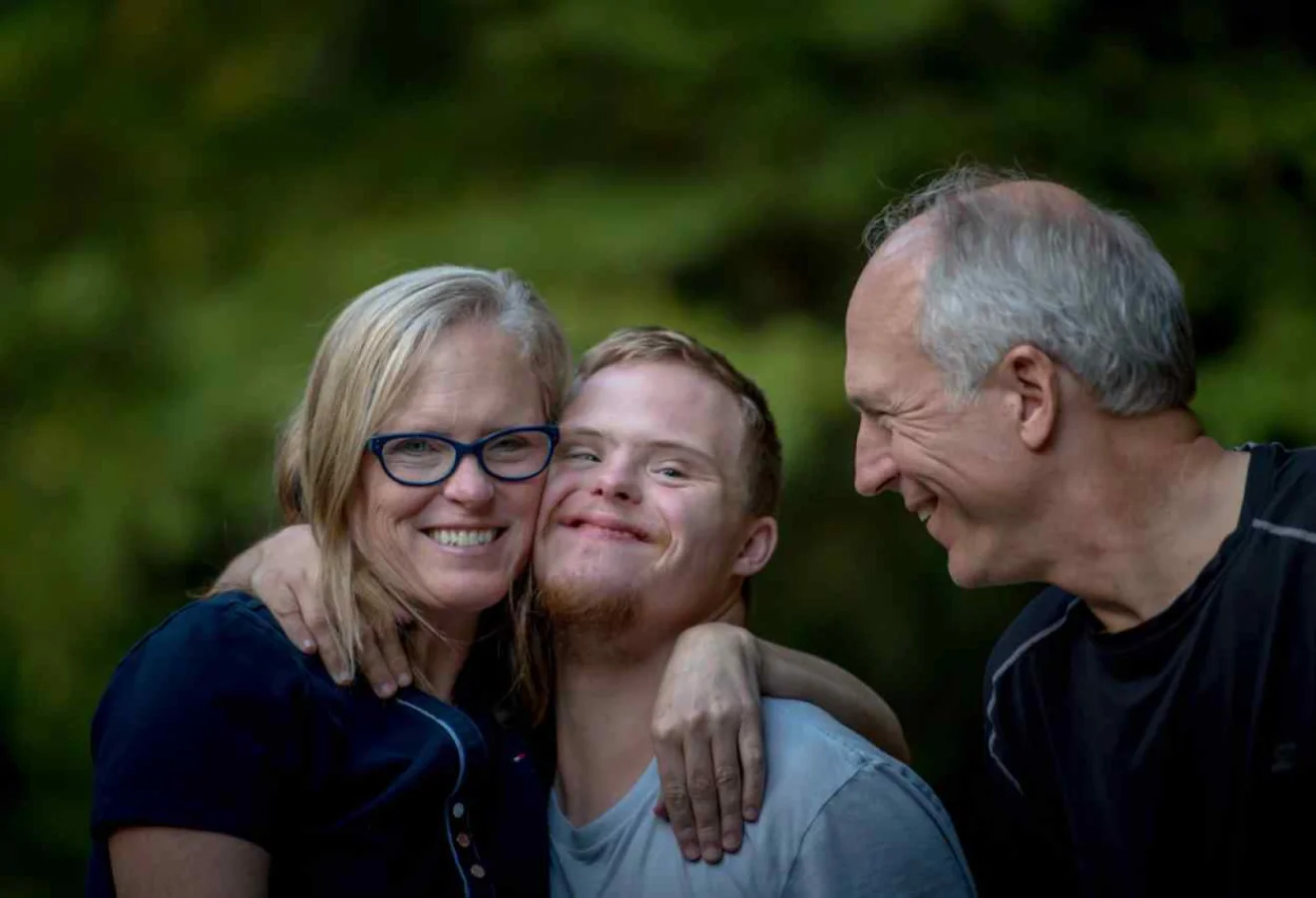
Family caregivers are relatives, friends, or neighbors who support dependent individuals in their daily lives. They provide essential help, allowing people to remain at home despite illness, disability, or aging.
Their work often involves organization, care, and emotional support, yet it is usually unpaid.
This commitment can have significant consequences on their health, social life, and professional activity.
Challenges and caregiver burnout
Caregivers are often driven by family values or personal commitment.
However, over time, this involvement can lead to physical and emotional exhaustion. Stress, fatigue, and isolation are common.
Professional support exists but is often expensive and not accessible to everyone.
Many caregivers are unaware of alternative solutions that could ease their daily burden.
A practical solution: housing in exchange for services
One effective alternative is housing in exchange for services.
The idea is simple: host someone in exchange for daily support.
- Providing companionship
- Helping with daily tasks
- Offering occasional assistance
👉 Learn more: how it works .
This model allows skilled individuals (students, caregivers…) to offer their help in exchange for accommodation.
It is a win-win solution that supports caregivers while providing affordable housing.
👉 To ensure a safe experience, use a contract and consult our safety guide.
Housing in exchange for services is a practical way to relieve caregivers and improve daily life.