Heatwave and isolated seniors: living together to break isolation
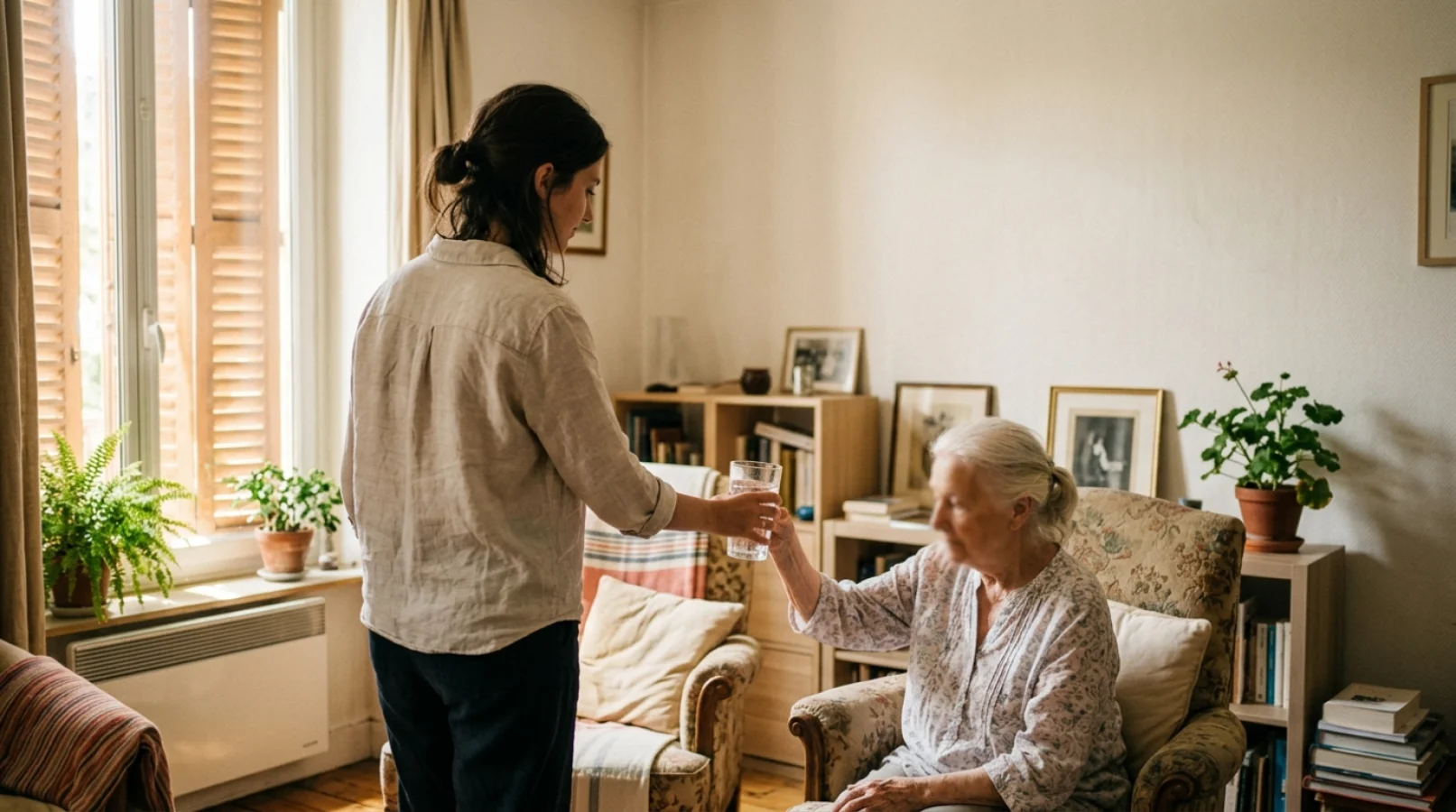
Every summer, episodes of intense heat remind us of a harsh reality: isolated seniors are the primary victims of the heatwave. Living alone, without visits or daily presence, turns a heatwave into a life-threatening danger. And what if the best prevention was not just a fan, but a presence? Intergenerational cohabitation, at the heart of housing in exchange for services, provides exactly that: someone daily, all year round, and especially when the thermometer spikes.
Heatwave: why isolated seniors are the most exposed
With age, the body perceives thirst less well and regulates its temperature more difficultly. An elderly person can become dehydrated without even realizing it. When living alone, no one is there to notice the first warning signs: unusual fatigue, confusion, dizziness. Isolation is therefore a risk factor in its own right.
The numbers confirm this. According to Public Health France, the summer of 2022 caused an estimated excess mortality of nearly 2,800 deaths related to heat, the vast majority (more than 2,200) among people aged 75 and over. During the June-July 2025 episode, among the hundreds of excess deaths recorded, those aged 75 and over again represented almost all. It was the deadly 2003 heatwave that led France to establish a national prevention system.
Official measures: useful, but occasional
In the face of this risk, public tools exist and must be known:
- The National Heatwave Plan, activated every summer, which triggers alerts and prevention instructions.
- The municipal register: a free and confidential file maintained by the town hall. Any elderly person or person with a disability can register (or be registered by a relative) to be contacted regularly by municipal services during an alert.
These measures save lives, but they remain reactive and periodic: a call during the alert, vigilance during the episode. They do not replace a daily presence. This is where another, structural solution makes perfect sense.
Intergenerational cohabitation: a presence that changes everything
The principle of housing in exchange for services is simple: a senior provides a room, and a housemate (often a student or young professional) in return provides predefined daily services, instead of a traditional rent. Senior and intergenerational shared housing is one of its most valuable forms.
The benefit during a heatwave becomes obvious: there is someone in the home. Someone who notices that the person hasn’t drunk, who thinks to close the shutters during hot hours, who offers a glass of cool water and raises the alarm at the slightest doubt. Beyond summer, it is a reassuring presence all year round that sustainably breaks isolation.
Practically, how a housemate helps during intense heat
- Ensuring hydration and spotting signs of dehydration or discomfort.
- Adapting the home: closing shutters and windows during the day, airing at night, creating drafts.
- Doing the shopping and keeping the fridge stocked with water and light meals.
- Suggesting outings during cool hours, or accompanying to a cooled place.
- Giving the alert quickly (relatives, doctor, emergency services) if health status is worrying.
These services remain reasonable and predefined. ToitChezMoi recommends not exceeding 15 hours per week, within a balanced and respectful framework: it is about mutual aid and presence, not a medical care mission.
Setting up cohabitation before summer
Anticipation is key: it’s better to establish cohabitation in spring to be calm when the heat arrives. The steps are simple:
- Register for free and specify your project: offer a room on the senior side, or look for housing in exchange for services on the housemate side.
- Exchange, then meet in person before any commitment, to check the housing and get acquainted.
- Formalize a written agreement: expected services, schedules, house rules. Need help to start? The step-by-step guide details everything.
Frequently Asked Questions
Is registration free?
Yes. Creating an account and presenting your project is free. Optional Premium plans offer additional tools and visibility for those who want to go further.
Does a housemate replace medical home care?
No. Cohabitation provides presence, companionship, and predefined daily services; it does not substitute medical care or professional help, which should be maintained if health status requires it.
Can we meet before committing?
Yes, it is strongly recommended. The visit allows checking the housing, meeting the person, and setting house rules before any decision.
This summer, offer presence rather than worry
The heatwave will remain a danger for isolated elders; but isolation itself is not inevitable. Intergenerational cohabitation creates a lasting bond, useful every day and precious during intense heat. A French platform published by CADENIA in Strasbourg since 2017, ToitChezMoi supports these meetings within a balanced and respectful framework. Register for free and prepare a calmer summer, for yourself or a loved one.