Can I host refugees in my home? A practical guide
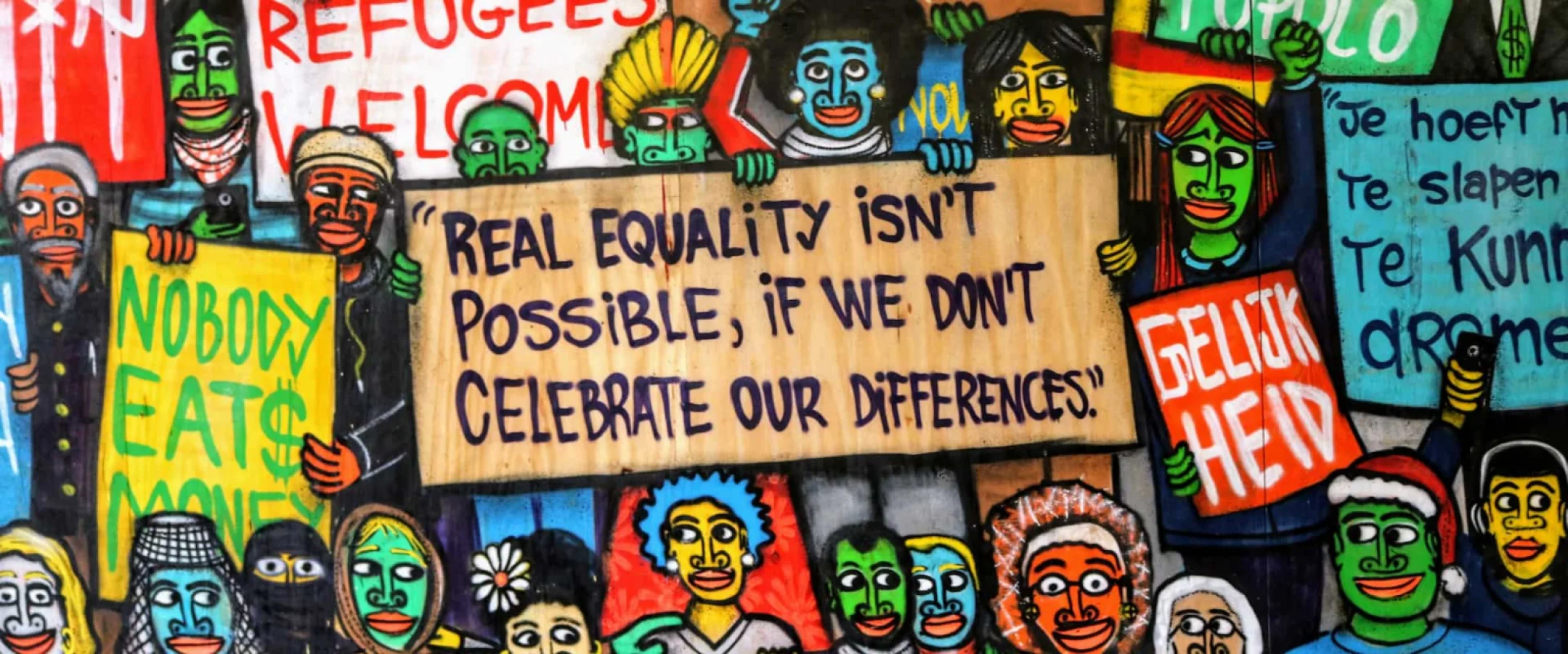
In times of global crises, many people are forced to flee their country to find safety. In France and across Europe, supporting refugees and displaced people—especially when it comes to housing solutions—has become a major challenge.
But who exactly are refugees, and how can you help in a practical and meaningful way? Solutions like housing in exchange for services, also known as home sharing or accommodation exchange, make it possible to take action on your own scale.
Learn how to better understand their situation and contribute to a human, practical and secure solution.
Who are refugees?
A refugee is a person who is forced to leave their country because their life is at risk. This may be due to war, political persecution, religion or social background.
It is important not to confuse refugees with migrants. A migrant moves voluntarily for economic, personal or family reasons, unlike someone seeking asylum or international protection.
For example, the conflict between Russia and Ukraine has forced many people to flee and seek refuge in other countries, including France and across Europe.
Refugee status is officially recognised under international law, in accordance with the 1951 Geneva Convention, which states:
“The term refugee shall apply to any person who, owing to a well-founded fear of being persecuted […] is outside the country of their nationality and is unable or unwilling to avail themselves of the protection of that country.”
Geneva Convention – 1951
Recognised refugees benefit from legal protection, administrative support and residency rights. In France, they may obtain a long-term residence permit (up to 10 years), helping them rebuild their lives in a stable environment.
Why housing refugees is a major challenge
Access to safe and stable housing is one of the biggest challenges refugees face upon arrival. Without accommodation, it becomes difficult to find employment, access public services or integrate into society.
Several factors make this situation particularly complex:
- A shortage of affordable housing or emergency accommodation
- Administrative procedures that can be complex and time-consuming
- Language barriers that slow down integration and access to services
- Urgent situations caused by forced displacement
In this context, offering accommodation—even short-term housing—can make a real difference. It provides stability, safety and a foundation for long-term integration.
Housing in exchange for services: a practical and human solution
Housing in exchange for services is an alternative housing solution where a room is offered in return for help with daily tasks.
On ToitChezMoi, hosts can support people while receiving help such as:
- Tutoring or educational support
- Daily assistance or household help
- Companionship and social support
- Light maintenance or practical help
This model promotes a fair, respectful and mutually beneficial exchange, particularly suited to vulnerable situations.
How to host a refugee safely
Welcoming someone into your home is a meaningful commitment that should be carefully prepared. Setting clear expectations is essential to ensure a safe and positive experience.
Best practices include:
- Defining the length of stay (temporary or medium-term housing)
- Clarifying expectations, responsibilities and boundaries
- Setting house rules and shared living conditions
- Encouraging open communication and mutual respect
To ensure a safe hosting experience, consult the safety guide and the code of conduct.
These resources help create a secure, transparent and trustworthy environment.
Take action: offer a place to stay
ToitChezMoi helps connect hosts and people in need of accommodation, including refugees and individuals seeking support.
By joining the platform, you can offer a practical solution while benefiting from a mutually supportive exchange.
Sign up now:
Additional information
Refugees seeking housing assistance can contact their embassy, consulate or local organisations to receive guidance and support.
Solidarity starts with simple actions.