Solidarity and sharing are trendy and on top of that, they make you happy!
At the beginning of 2022, social positivism must rejoice. Solidarity among members of the same family, between neighbors, or even between peoples must take precedence over individualism in order to unite and facilitate the lives of all. Solidarity unites people in a feeling of mutual aid and, if these people are connected, it is […]
At the beginning of 2022, social positivism must rejoice. Solidarity among members of the same family, between neighbors, or even between peoples must take precedence over individualism in order to unite and facilitate everyone's life.
Solidarity unites people in a feeling of mutual aid and, if these people are connected, it is because they most often share common interests such as fighting against isolation or lack of resources.
Moreover, while solidarity is collective with cooperation among individuals with identical moral values, its benefits are mainly measured on an individual scale. Indeed, helping, rendering service, offering a good to a third party, or sharing knowledge reduces stress and makes one happier.
Sharing, a transgenerational concept
New generations, just like those of our grandparents, advocate sharing.
If before, when we needed a little milk, eggs, or flour, we would go see the neighbor, all in a spirit of solidarity and mutual services rendered, today’s new generations, even if they operate on a similar mechanism, base the sharing economy on fundamentals such as the environment and ecology but also individual and collective well-being. Thus, we must consume, if not less, better and responsibly.
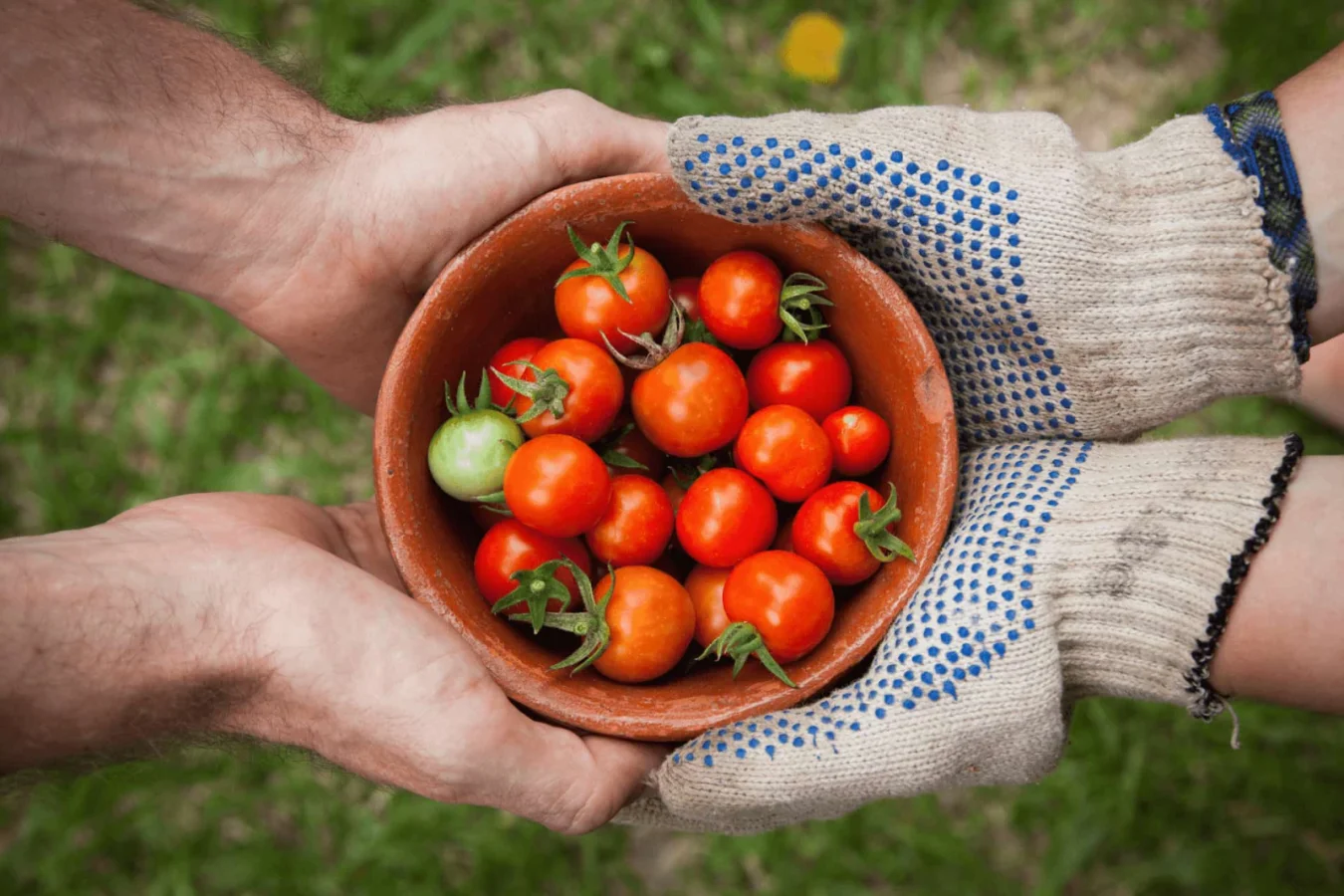
Why buy a salad coming from the other side of the country when you can buy it locally or even grow it in a shared garden?
Why buy a car, rent an office or a room when you can do carpooling, coworking, or couchSurfing?
In these new trends, the human and the real satisfaction of sharing products, services or knowledge are put back at the heart of society.
Exchange is always win-win. The one who gives is often also the one who receives, each learning from the other.
Even companies have gotten involved, with the example of the reciprocal knowledge exchange network (RERS) which offers companies the possibility to acquire new knowledge.
New forms of solidarity
Many people are in fragile situations: a single mother needing support to take care of her child, a person without income due to unemployment, a family worried about leaving their parent, losing autonomy, alone at night, an individual struggling with loneliness, a young person having difficulty paying rent, the examples are numerous.
Faced with these difficulties, solidarity is a significant alternative allowing individuals to find common ground. Thus, Hosts who have the possibility can offer free accommodation to a supportive Cohabitant who in return provides services such as childcare, dog walking, chores or simply offers a presence at night.
Solidarity and sharing, actors of social cohesion and well-being
Who has never needed a little help one day?
Mutual aid brings important values that promote collective intelligence and thus humanity because as the African proverb says, if alone you go faster, together you go further. Mutual aid and sharing sometimes allow us to move forward faster but always more serenely.
Mutual support is a source of moral comfort and, beyond this aspect contributing to socialization, it promotes the monetary economy. Thus, by sharing resources, we consume less and therefore better.
More and more companies are positioning themselves on this issue and offer an activity or service based on solidarity, the business model of these social and solidarity enterprises (SSE) being only the means to achieve their social objective.