Micro-cohabitation: when sharing less than 30 m²
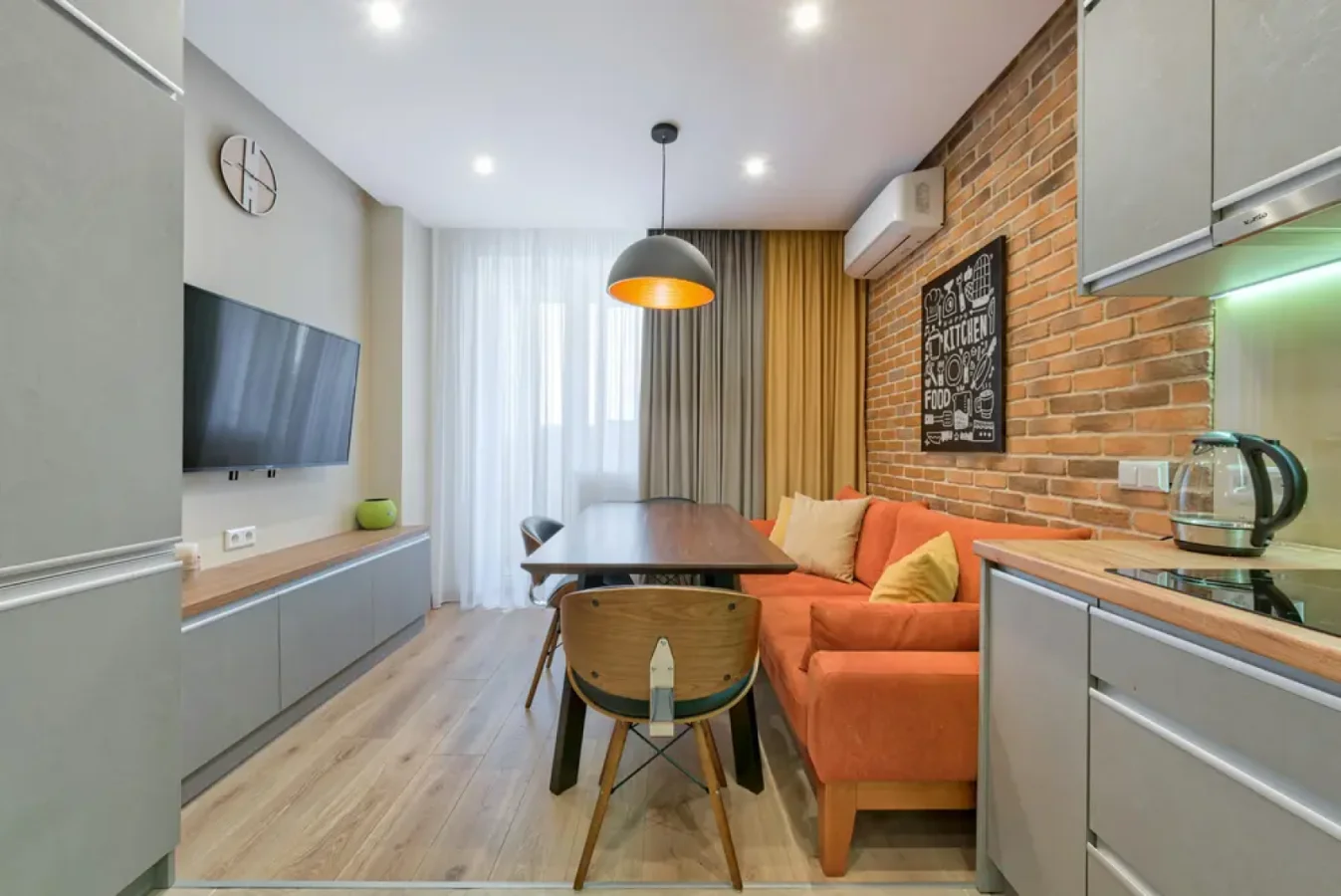
In a context where rents are skyrocketing, urbanization is densifying spaces, and new forms of shared living are emerging, micro-cohabitation – living together (two or more) in less than 30 m² – is becoming a reality for a growing number of people. Whether in a studio, a tiny house, or a small optimized apartment, this form of extreme cohabitation poses as many challenges as opportunities.
So, how to live with several people in a tiny space without feeling suffocated? Here is a reflection on best practices, limits, and the richness of micro-cohabitation.
What is micro-cohabitation?
It involves sharing a very small living space, often less than 30 m², with another person. This can concern:
- A couple living in a studio
- A cohabitant providing services in a small accommodation via a platform like ToitChezMoi
- Two roommates in a tiny house (*small house)
This type of living requires precise organization and a great capacity for adaptation.
Everyday challenges
Lack of privacy
In a small space, it is difficult to isolate oneself. No separate room to make a call, relax, or work. This can create mental fatigue or frustration if life rhythms differ.
Sharing the functions of the space
The same place can serve as office, living room, bedroom, kitchen… or all of these at once. The lack of physical separation requires good coordination.
Different needs
Living with a very talkative person, a teleworker, a night owl, or a pet owner can quickly become a source of tension if agreements are not made in advance.
Keys to successful micro-cohabitation
Communicate clearly… and regularly
In a small space, unspoken things become overwhelming. It is better to discuss organization, schedules, tidiness, and habits from the start.
Optimize every centimeter
- Choose modular furniture: fold-away bed, folding table, hanging shelves
- Create symbolic zones (reading corner, work corner) even without walls
- Use verticality: high storage, shelves on doors
Establish house rules
- Cleaning schedule
- Quiet or “solo” times
- Alternation in the use of equipment (shower, kitchen, office)
Respect personal time
Even without a door to close, it is possible to say: “I need a moment for myself.” Headphones, walk, reading… rituals help preserve mental space.
And the advantages?
- Lower costs: Small space = reduced rent, lighter bills. Cohabitation also allows sharing expenses.
- Fewer objects = more essentials; Micro-cohabitation encourages decluttering, keeping what is useful, living more simply.
- More human exchanges: Living in a small space often strengthens bonds… provided they are healthy! One learns tolerance, patience, and listening.
What if it was also a solidarity solution?
Initiatives like ToitChezMoi prove that cohabitation, even in a small space, can meet concrete needs: temporary housing, home help, social connection. A supportive cohabitant can live with a host in a studio, provided expectations are well defined. It is a way to give new meaning to housing, adapting to new urban constraints.
In conclusion
Micro-cohabitation is not for everyone. It requires flexibility, rigor, and real communication work. But when well thought out, it can become a rich, ecological, and humanly stimulating way of life. Less space… for more connection.